Court declines Lukwago’s request for India medical treatment as case moves to High Court
Court declines Lukwago’s request for India medical treatment as case moves to High Court
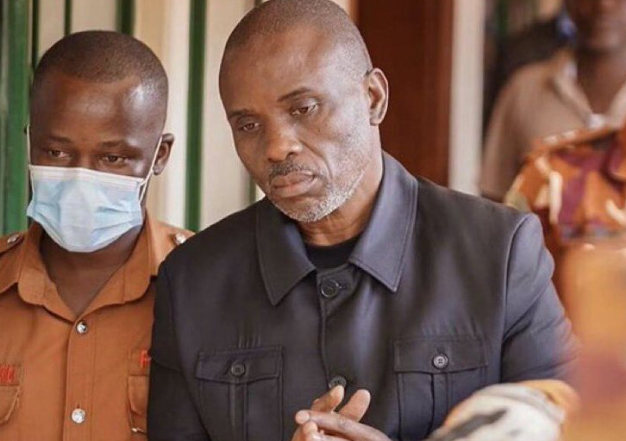
KAMPALA, Uganda – Makindye Chief Magistrate’s Court has declined a request by former Kampala Lord Mayor Erias Lukwago to issue orders allowing him to travel to India for specialised medical treatment, as his case was committed to the High Court for trial.
The decision came shortly after the court committed Lukwago to the High Court on charges of misprision of treason, following the completion of proceedings at the lower court level.
During the court session, Lukwago, through his lawyers, asked for permission to access specialised medical treatment at Fortis Memorial Research Institute in India, citing health concerns.
His legal team argued that he required medical attention outside Uganda and asked the court to direct prison authorities to facilitate his treatment.
However, the prosecution opposed the application, arguing that the magistrate’s court no longer had jurisdiction to issue such orders after the case had been committed to the High Court.
Chief Magistrate Sarah Basemera declined to grant the request, agreeing with the prosecution’s position that the lower court could not make the requested orders after the case had moved to the High Court.
The ruling means Lukwago will remain in custody as arrangements are made for the next stage of the proceedings before the High Court.
Lukwago’s lawyer, Counsel Medard Lubega Sseggona, criticised the prosecution’s argument, saying legal professionals should interpret the law based on facts and circumstances.
“What distinguishes us as professionals is how we apply the law to the facts by using our brains to think,” Sseggona said.
The defence maintained that the court should consider Lukwago’s health situation and the need for access to appropriate medical care.
This development follows the prosecution’s decision to commit Lukwago to the High Court for trial after filing an indictment.
State alleges that Lukwago failed to report information relating to an alleged plot to overthrow President Yoweri Kaguta Museveni.
These allegations will now be tested before the High Court, where the prosecution will be required to present evidence supporting its case.
Lukwago has denied wrongdoing, and his legal team has maintained that he should be granted bail and allowed access to medical treatment.
This decision highlights legal questions surrounding the powers of magistrates’ courts after a criminal case has been committed to the High Court.
It also brings renewed attention to the issue of medical treatment for suspects in custody, especially in cases involving prominent political figures.
Ugandan law requires that accused persons in custody have access to necessary medical care while awaiting trial.
Lukwago’s case will now proceed before the High Court, where he is expected to appear for further directions.
His lawyers may also pursue fresh applications, including bail and medical-related requests, before the appropriate court.