Ssenyonyi Urges Opposition MPs to Offer Alternative Policies
Ssenyonyi Urges Opposition MPs to Offer Alternative Policies
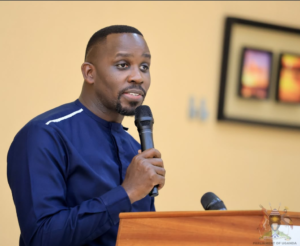
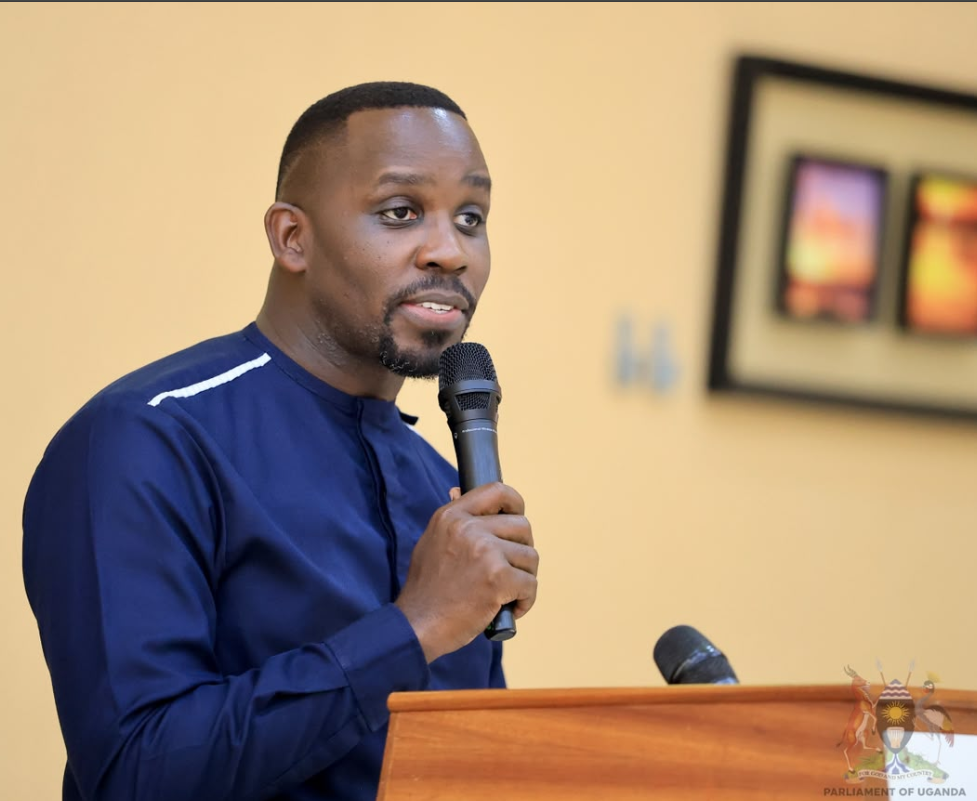
Leader of the Opposition in Parliament Joel Ssenyonyi has challenged opposition Members of Parliament to move beyond criticism of government and consistently present credible alternative policies, legislation and budgets capable of delivering touchable results for Ugandans.
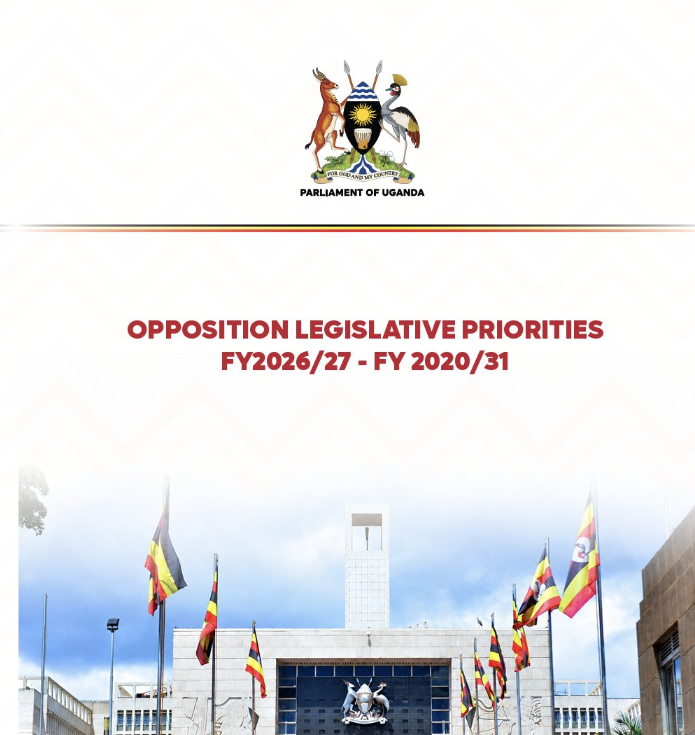
Ssenyonyi made the call while presiding over the induction of Opposition MPs in the 12th Parliament where he launched the Opposition Legislative Priorities for the next five years.
The priorities are intended to provide a roadmap for opposition legislators as they examine government programmes, propose alternative policies and represent the interests of their constituents.
Ssenyonyi also urged MPs to maintain consistent, honest and responsible communication with voters saying citizens need to understand what their representatives are constitutionally mandated to do.
The call comes as the 12th Parliament settles into its five-year term following the 2026 general elections. Parliament began the new term with a large proportion of new legislators, with 397 of the 527 MPs who took the oath in May being first-time members of the House.
Ssenyonyi’s message signals an effort to position the Opposition as more than a political force that rejects government proposals.
He urged opposition MPs to use Parliament as a platform for developing alternative solutions to the country’s economic and social challenges.
This includes presenting alternative budgets and policies that can be subjected to debate in the House allowing Ugandans to compare competing approaches to national development.
Opposition has already demonstrated this approach through its alternative budget for the 2026/27 financial year.
In April, Ssenyonyi presented an alternative budget framework of about Shs71.4 trillion arguing that government needed to reduce borrowing, clear domestic arrears, cut administrative expenditure and redirect resources towards service delivery.
Opposition also criticised what it described as excessive spending and weak public financial management, while calling for increased attention to health, education, agriculture and infrastructure.
Its proposals included reducing domestic borrowing, improving revenue collection without relying heavily on new taxes, prioritising concessional financing and cutting expenditure on areas such as travel, workshops and government vehicle fleets.
The new legislative priorities are expected to place ordinary citizens at the centre of the Opposition’s parliamentary work.
Ssenyonyi has repeatedly argued that Parliament should analyse government policies and expenditure rather than simply approve proposals brought by the Executive.
During the induction of the 12th Parliament in June, he said Parliament’s role included interrogating policies before they became law, examining expenditure before public money was authorised and demanding accountability after resources had been spent.
He also described a strong Opposition as an important safeguard against abuse of public power.
The position is consistent with the broader role Parliament is expected to play through its three main functions: legislation, budget oversight and representation. The United Nations Development Programme which participated in the induction programme said Parliament’s decisions on laws, budgets and ministerial accountability would have a direct bearing on country’s development trajectory.
Ssenyonyi’s call for credible alternatives comes at a time when Parliament’s leadership is placing greater emphasis on accountability and evidence-based legislation.
Speaker Jacob Oboth, while opening the five-day induction programme for the 12th Parliament in June, called on MPs to base parliamentary debates on facts and evidence and urged committees to strengthen proactive oversight of government projects.
Oboth said legislators should monitor projects while they are being implemented instead of waiting until they fail before demanding explanations.
The induction programme, held under the theme “Legislating for Improved and Sustained Quality of Life,” covered parliamentary procedure, governance, budgeting, oversight, leadership, technology, cybersecurity, media management and ethical leadership.
For the Opposition, the challenge will therefore be to translate its legislative priorities into concrete parliamentary action, including bills, motions, budget proposals, committee work and oversight initiatives.