MPs Demand Answers From KCCA Over Kampala Flooding
MPs Demand Answers From KCCA Over Kampala Flooding
Kampala city authorities have been asked to provide more details on howthey plan to tackle persistent flooding and improve waste management.
Parliament has again pressed the Kampala Capital City Authority (KCCA) for answers over the capital’s recurring flooding with lawmakers seeking more information on the implementation of the city’s drainage master plan.
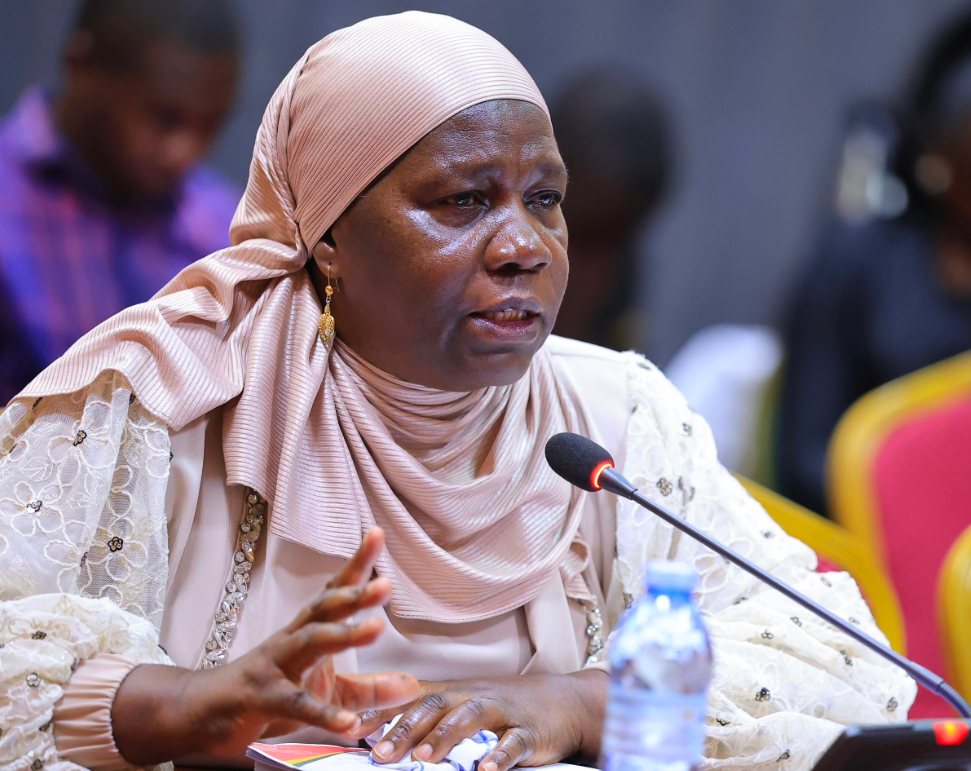
KCCA Executive Director Sharifah Buzeki appeared before Parliament’s Committee on Physical Infrastructure alongside the Minister for Kampala, Minsa Kabanda to respond to concerns about the city’s drainage network and flood-control measures.
The committee chaired by Mwine Mpaka had earlier asked KCCA to provide documents and technical information on its flood-prevention plans including details of the Kampala Drainage Master Plan and developments along drainage channels.
Kampala has experienced repeated flooding during heavy rainfall affecting homes, businesses, roads and markets.
KCCA says the city’s drainage system stretches about 362km across eight major catchments. These include Nakivubo, Lubigi, Walufumbe, Nalukolongo, Kansanga, Kinawataka, Nakamiro and Mayanja.
The authority says work on major channels has already improved drainage in some parts of the city.
It points to the rehabilitation of 9.2km of the Nakivubo drainage channel, the construction of the Nakamiro channel and completion of 4.9km of the Lubigi drainage channel as some of the measures that have improved stormwater flow.
But KCCA acknowledges that flooding remains a serious problem.
It has blamed recurring flash floods on several factors including rapid urban development, encroachment on drainage corridors and wetlands, blocked channels and poor waste disposal. Some drainage channels are also operating beyond the capacity for which they were originally designed.
One of the most serious examples is the Nakivubo drainage system.
KCCA officials previously told MPs that more than 90% of a 295-metre section of the Nakivubo channel had been encroached upon restricting the movement of stormwater and increasing flood risks around areas including St Balikuddembe Market commonly known as Owino.
The parliamentary inquiry also puts Kampala’s waste-management problems at the centre of the flooding debate.
Garbage dumped in drainage channels can obstruct the movement of rainwater, making flooding worse during heavy storms.
KCCA Executive Director Sharifah Buzeki has previously called on residents and businesses to take greater responsibility for keeping the city clean, arguing that waste management cannot be left entirely to the authority.
During a community clean-up campaign in May, Ms Buzeki urged residents to stop littering and said property owners should maintain the areas around their premises.
The authority has also been carrying out routine desilting and clearing of drainage channels as part of its flood-management programme.
The scale of Kampala’s drainage challenge is reflected in the amount of money KCCA says is required to address it.
The authority estimates that approximately Shs768bn ($210m) will be needed over the next five years to rehabilitate ageing drainage infrastructure, expand existing channels, build additional flood-control structures and maintain the city’s drainage network.
KCCA says the investment would help the city cope with increasing flood risks linked to rapid urbanisation and more intense rainfall.
But MPs are also examining whether existing planning and enforcement measures have been sufficient to prevent developments from obstructing drainage routes.
The committee has previously asked KCCA to submit information on illegal developments along drainage channels, hydrological data on drainage capacity, engineering designs, enforcement notices and details of compensation paid to people affected by drainage projects.
The dispute over Kampala’s flooding is not simply about clearing blocked drains.
The city’s rapid growth has increased the amount of paved and built-up land, reducing the areas where rainwater can naturally soak into the ground. At the same time, development in drainage corridors and wetlands can restrict the routes through which stormwater would otherwise flow.
KCCA says its response therefore needs to combine infrastructure improvements with stronger enforcement and better waste management.
The authority has also said that residents, businesses and developers have a role to play by keeping drainage channels clear and avoiding activities that obstruct natural waterways.
With flooding continuing to disrupt parts of the capital during heavy rains, lawmakers are now seeking clearer answers from KCCA on what is being done, how much it will cost and when residents can expect meaningful improvements.