Rwanda Closes Eight Alcohol Factories
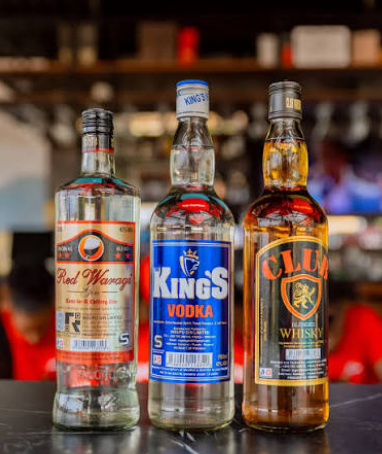
Rwanda Closes Eight Alcohol Factories
Rwanda has shut down eight alcoholic-drink factories and ordered a nationwide recall of at least 38 brands following regulatory inspections as authorities intensify efforts to tackle unsafe alcohol consumption.
Rwanda Food and Drugs Authority (Rwanda FDA) announced the measures ordering manufacturers to immediately recall affected products from the market.
Distributors and retailers have also been instructed to stop selling the drinks and return remaining stock to the manufacturers.
Consumers have been urged to stop drinking the affected products.
The regulator said the eight manufacturers had breached regulatory requirements and had their manufacturing licences revoked. Manufacturers have been given three working days to submit reports detailing the recall process.
The Rwanda FDA specifically listed 38 alcoholic products for recall.
The eight manufacturers named in the action are Ingufu Gin Ltd, NBG Ltd, SKY Drop Industries Ltd, Africana Buffalo Ltd, NOPA Company Ltd, Roots Investment Group Ltd, Rugali Agro-processing Company and Zhonglu Industrial Liability Company Ltd.
The recall is not necessarily limited to the 38 products listed individually.
The Rwanda FDA says it applies to all alcoholic beverages produced by the eight affected manufacturers, meaning the number of products ultimately removed from the market could be higher.
The crackdown comes amid growing concern in Rwanda about unsafe and excessive alcohol consumption.
According to recent reporting, health authorities have linked contaminated alcohol consumption to at least 50 deaths between January and June 2026, while more than 100 people reportedly suffered partial or permanent loss of eyesight.
There have also been reports of serious kidney damage among people who consumed harmful alcohol, with some patients requiring dialysis.
The authorities have also raised concerns about the wider social consequences of alcohol abuse, including family conflict and domestic violence.
The latest factory closures therefore form part of a wider government response rather than an isolated product recall.
Government has been increasing regulation of alcohol production and the raw materials used to make alcoholic drinks.
The Rwanda FDA has strengthened controls around ethyl alcohol, methanol and other industrial chemicals that can potentially be diverted into the production of unsafe alcoholic beverages.
Rwanda also has specific regulations governing alcoholic beverages, according to the FDA’s published regulatory materials.
The regulator maintains registers of food and alcoholic-beverage manufacturers and products, underlining the importance of licensing and compliance in the country’s alcohol industry. For example, several of the products named in the recall had previously appeared in Rwanda’s official food-product register.
The factory closures come as the Rwandan government steps up a broader campaign against alcohol and drug abuse.
Authorities have been promoting the “Tunywe Less”, or “Drink Less”, campaign, which encourages people to reduce alcohol consumption.
The government has also introduced measures aimed at protecting children and young people from alcohol.
Schools and their surrounding areas have been designated as alcohol-free zones, with authorities warning businesses near schools against selling alcoholic drinks.
Officials have also increased scrutiny of events where large quantities of food and alcohol are consumed, following reports of people becoming ill after consuming unsafe products.
The immediate message from the regulator is straightforward: consumers should not drink any of the recalled products.
Retailers and distributors have been told to remove affected products from their shelves and return them to manufacturers.
Manufacturers have been given three working days to provide details of the recall, while the regulator has warned that failure to comply could result in legal action.
The Rwanda FDA has also indicated that inspections are continuing and that additional manufacturing facilities could face enforcement action.
The latest measures highlight the difficulty of controlling unsafe alcohol in a market where locally produced spirits are widely consumed.
For Rwanda, the concern is not only about whether individual companies meet manufacturing standards. Authorities are also trying to prevent dangerous substances from entering alcoholic drinks and to reduce the health and social costs associated with heavy drinking.
For people who may have already bought one of the affected products, the advice from authorities is clear: do not consume it, and follow official instructions on returning or disposing of the product safely.